Class 4 Hail Resistance and Insurance Renewals: The Azenco Case for Austin Commercial Roofs
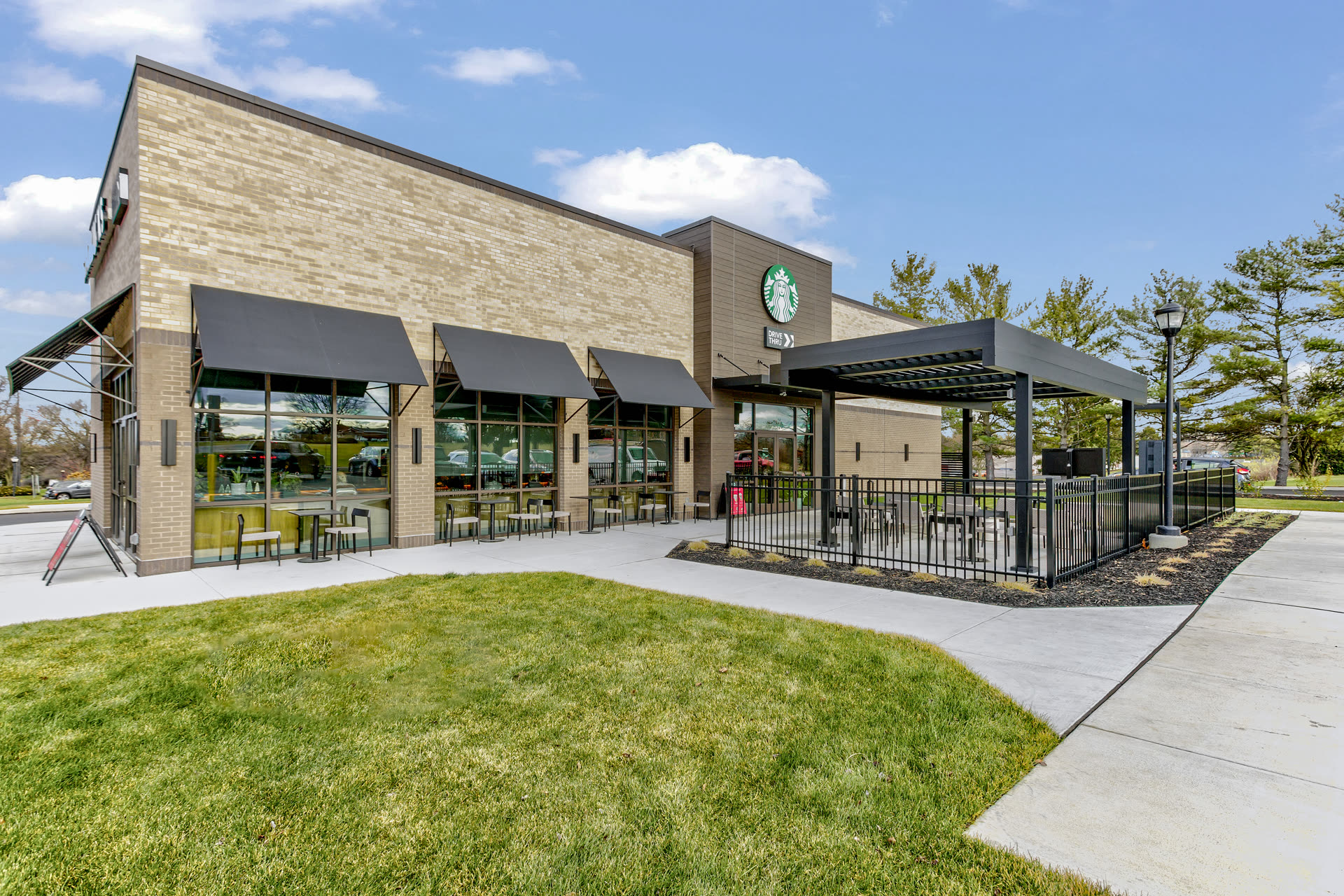
Central Texas commercial property owners have a specific line item on the insurance renewal that residential owners do not: any auxiliary structure attached to or adjacent to the rated building envelope has to be documented, rated, and priced. On a restaurant patio, hotel deck, or HOA amenity, that auxiliary structure is the pergola. What it is made of and how it performs under a hail event drives renewal terms.
The Central Texas hail problem is not going away
The Austin-San Antonio corridor sits in a documented severe hail belt. NOAA storm records show recurring hail events with stone diameters exceeding 2 inches across the I-35 corridor between March and June (NOAA Storm Prediction Center). The 2016 San Antonio hailstorm remains one of the largest single-event insured hail losses in United States history at over $1.4 billion in insured damage (Insurance Information Institute).
Commercial carriers underwriting Texas properties price hail exposure explicitly on the schedule. An unrated auxiliary structure on the schedule — a fabric shade sail, a timber pergola without documented ratings, or a canopy without a certification package — typically prices at a higher rate than a rated aluminum assembly with published wind and impact numbers.
What the Azenco rating actually documents
The Azenco R-BLADE published specification includes:
- 190 mph wind rating. Miami-Dade NOA structural certification — the same wind protocol Florida uses to underwrite roof systems in Category 5 hurricane zones (Azenco Outdoor).
- 100 lb/sq ft snow load rating. Not typically relevant in Central Texas, but relevant in Panhandle and North Texas commercial projects where snow and ice loading do occur.
- Powder-coated extruded aluminum construction. Aluminum louvers do not absorb hail impact like fabric or fiberglass panels; the material dissipates impact energy through the extruded profile rather than transmitting it to a substrate.
The critical detail on the specification is that these numbers are documented under recognized test protocols. Underwriters accept the Miami-Dade NOA and ASTM impact-test certifications as evidence — they do not accept marketing claims (Florida Building Code Product Approval).
What "Class 4" means and why it matters
UL 2218 Class 4 is the highest impact resistance classification for roofing materials tested against simulated hailstone impact. While UL 2218 is a roofing standard, the framework has become the reference underwriters use when asking about impact resistance on any elevated commercial assembly. Aluminum louvered pergolas do not carry a UL 2218 rating directly, but the underlying material properties — extruded aluminum thickness, powder-coat finish, structural connection integrity — put the assembly in the same performance tier that Class 4 rated roof products occupy.
The practical outcome: when an underwriter asks whether the patio structure will survive a 2-inch hail event and remain functional, the answer for a specification-grade aluminum louvered pergola is yes, documented, with post-event inspection captured in the maintenance file.
The renewal conversation, spelled out
Two documentation items keep the pergola off the "unrated auxiliary" line on the master policy schedule:
- Manufacturer specification sheet on file. The Azenco R-BLADE spec sheet with published wind, snow, and Miami-Dade NOA numbers attached to the property file.
- Post-install inspection record. A dated photo record after install and after any storm event, showing anchorage, finish condition, and louver operation. This is the maintenance-file evidence underwriters ask for at renewal.
The pergola then goes on the schedule as a rated structure, not an unrated attachment, and the renewal conversation shifts from category questions to line-item pricing.
Post-storm inspection: what to document
After a hail or high-wind event, the maintenance-file entry that satisfies underwriters has four items:
- Anchor and post integrity. Dated photos of every anchor point, confirming no separation from the substrate.
- Louver operation. A short video showing the motorized louvers cycling through open, closed, and intermediate positions on the R-BLADE. Non-operation flags a service call, not a claim.
- Finish condition. Wide shots of the powder-coat finish on posts and louvers, plus a close-up of any impact marks with a scale reference (a coin or ruler).
- Concealed gutter drainage. A short discharge test at the post base after a rinse, confirming the internal gutter path is clear of debris kicked up by the storm.
That four-item record, dated within 72 hours of the event, is what closes the claim file cleanly. Where an aluminum louvered pergola has an advantage over a fabric or timber structure is that most post-event inspections come back with no functional damage — the assembly rides out the event and the file entry documents that outcome.
Where CCSI fits
Construction Component Sales Inc. is the CCSI-side Azenco representative for Texas commercial projects. On a specification with insurance implications, that means the certification documents, engineering package, and post-install inspection template arrive as a coordinated deliverable that the property owner can hand to the broker without repackaging. See the full CCSI pergolas product line.

Frequently asked questions
Is the Azenco R-BLADE UL 2218 Class 4 rated?
UL 2218 is a roofing-material standard and does not apply to louvered pergolas directly. The R-BLADE is rated under Miami-Dade NOA for wind and impact, which commercial underwriters accept as the equivalent documentation for elevated aluminum assemblies.
Does the pergola have to be added to the master policy schedule?
Yes. Any auxiliary structure attached to or adjacent to the rated building envelope belongs on the schedule. A specification-grade rated pergola prices differently than an unrated auxiliary attachment.
What documentation should the property owner keep on file?
The manufacturer specification sheet with published ratings, the engineering package for the install, and a dated post-install photo record. Update the photo record after any severe weather event.
Do integrated LED lighting and heaters change the insurance conversation?
They add a wired electrical line item to the schedule but do not change the structural rating of the assembly. Wire them as permanent circuits on the electrical permit and file that permit with the property record.
Looking for a product or a quote?
Tell us about your project and we'll help you source the right building product.